


.png)


Gain hands-on primate veterinary experience in northeastern Bangladesh, working alongside a resident veterinarian at a wildlife rescue centre located inside a national park in the Moulvibazar District.
This internship is focused on assisting with daily primate and wildlife care, including animal health observation, examinations, medication, preventive and curative treatment, recordkeeping, and the development of veterinary care procedures.
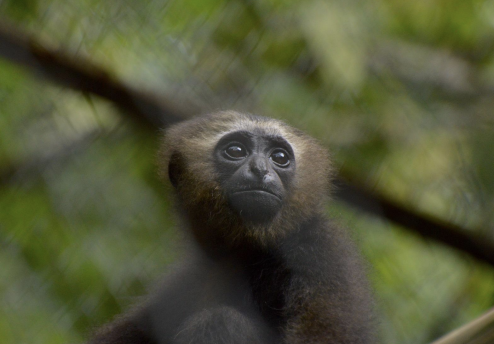
The rescue centre works with endangered native primates such as Hoolock Gibbons and Capped Langurs, as well as other local wildlife including pangolins, tortoises, and birds. Interns support a conservation project dedicated to protecting biodiversity within one of the threatened Indo-Burma Biodiversity Hotspot regions.
The Primate Veterinary Assistant Internship is designed for veterinary students, veterinarians, veterinary nurses, veterinary technicians, and related candidates who want practical experience in primate care, wildlife medicine, and conservation.
Interns assist the local veterinarian and supervisory staff with regular animal health tasks, clinical observation, treatment support, recordkeeping, animal handling, and rehabilitation-related duties. The programme offers exposure to both routine care and emergency situations within a wildlife rescue setting.
Key responsibilities may include:
• Administering prescribed medications, supplements, or treatments under veterinary supervision
• Assisting the veterinarian with veterinary procedures
• Observing food consumption and checking for signs of illness or stress
• Reporting unusual changes in animal behaviour
• Maintaining detailed records of behaviour, eating habits, enrichment, research, and veterinary care
• Supporting safe animal behaviour management for feeding, medicating, and monitoring
• Helping with special care for sick or orphaned animals, including possible hand-feeding
• Learning to respond to emergency situations
• Assisting with the capture of animals for examination or relocation
• Supporting hygiene, pest control, and biosecurity procedures
• Following safety guidelines and reporting safety concerns
Learning outcomes include:
• Clinical proficiency in treatment support, physical examination, sample collection, handling, and restraint of wildlife species
• Record and data management for wildlife care, behaviour, and health events
• Safe animal handling and safety protocol awareness
• Assistance with rehabilitation protocols and post-release health assessments
Applicants should have a degree or be currently studying as a veterinarian, vet nurse, or vet technician. Clinical experience is desirable.
Required attributes include:
• Confidence and patience when handling animals
• Strong organisation and project management skills
• Computer literacy
• Strong observational and recordkeeping skills
• Excellent interpersonal and communication skills
• Flexibility to adapt to a different culture
• Ability to perform practical, manual, and sometimes physically demanding work
• Ability to manage allergies related to animal hair, fur, feathers, or dust
• Fluency in English; Bengali language skills are useful but not essential
Required vaccinations:
• Hepatitis
• Tetanus
• Tuberculosis vaccine or negative TB screen test
Rabies vaccination is optional.
The minimum internship duration is 4 weeks.
Interns work the same hours as the resident veterinarian, based on an average of 48 hours per week, plus any emergencies outside the regular daytime schedule.
Typical working hours are 7:00 AM to 6:00 PM, Monday to Saturday, with a long lunch break from 11:00 AM to 2:00 PM. Sundays are off.
A typical experience may include:
• Daily animal health observation
• Assisting with animal health examinations
• Supporting medication and treatment routines
• Helping with preventive and curative care
• Maintaining veterinary and behavioural records
• Supporting animal feeding, monitoring, and safe handling
• Assisting with sick or orphaned animals when needed
• Learning emergency response procedures
• Supporting hygiene, biosecurity, and pest control
• Working with qualified mentors on academic projects or assignments
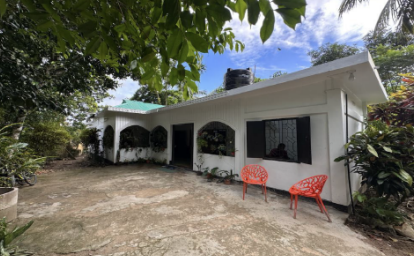
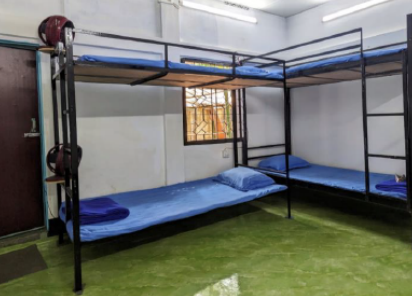
Accommodation is provided in a single-storey house on-site, shared by staff, volunteers, and interns. Bedrooms are dormitory-style and single-sex. Pillows and blankets are provided, and each room has an attached bathroom with a western toilet and shower facilities.
The accommodation includes free Wi-Fi, a lounge with sofas and TV, and kitchen facilities such as a cooker, refrigerator, toaster, and microwave. Detergent is provided for washing clothes.
Food is local Bangladeshi cuisine. Basic groceries are also available in the kitchen, and vegetarian, vegan, and special dietary needs can be catered for when requested in advance.
Travel notes:
International interns require a Bangladesh visa on arrival for 30 days. The visa fee is approximately $50, though costs may vary by home country.
The conservation centre is approximately a 6-hour drive from Dhaka Hazrat Shahjalal International Airport. Airport transfer by private car can be arranged for $80 per one-way transfer.
Programme fees:
4 weeks = $3,000
Included:
• Accommodation in the dormitory
• Cooked meals — breakfast, lunch, and dinner
• Basic grocery supplies and snacks
• Basic kitchen facilities, including fridge, toaster, and cooking stove
• On-site mentoring for academic credits or projects
• Entrance fees to the national park and facility
• 24-hour in-country support
• Certificate of completion
• A memorable hands-on primate and wildlife conservation experience
Not included:
• International flights
• Personal insurance
• Transportation to and from the centre
• Visa costs
• Additional snacks or drinks
• Airport transfer from Dhaka to the centre, available by private car for $80 per one-way transfer

Location
Bangladesh
Start Date
2026
Price
Starting at $3,000