


.png)


Gain hands-on wildlife veterinary experience at one of Southeast Asia’s most diverse wildlife hospitals in Petchaburi, Thailand.
This internship takes place at Thailand’s first wildlife hospital, established in 2005, which provides emergency care, long-term treatment, and lifelong veterinary support for rescued wildlife that cannot be returned to the wild. The hospital also supports the local community by treating pets and livestock.
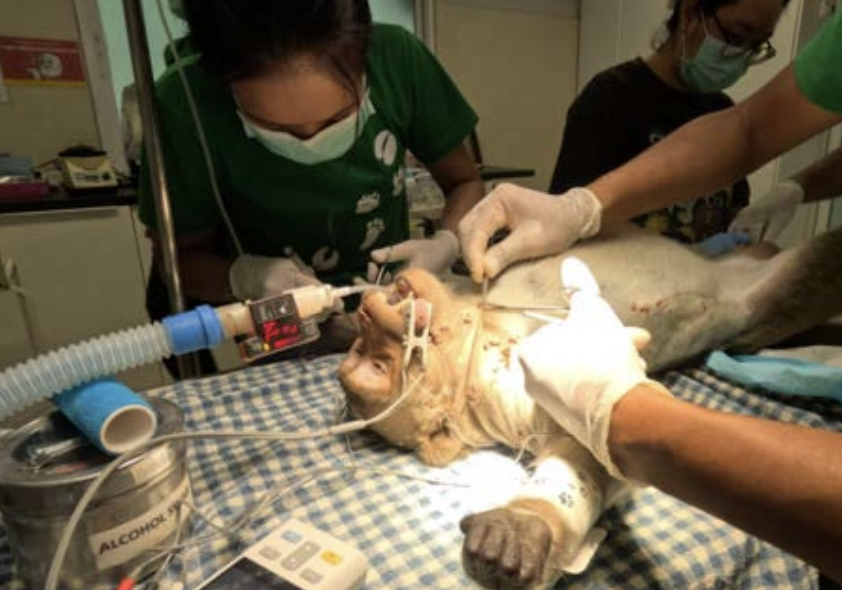
Interns and volunteers work alongside a full-time veterinary team while gaining exposure to wildlife medicine, surgical observation, patient care, animal rehabilitation, and daily hospital operations. The vet team cares for around 60 different animal species, including primates, bears, tigers, elephants, sugar gliders, and other rescued wildlife.
The Thailand Wildlife Veterinary Internship is designed for veterinary students, veterinarians, veterinary nurses, veterinary technicians, and related candidates seeking clinical exposure in wildlife medicine and conservation.
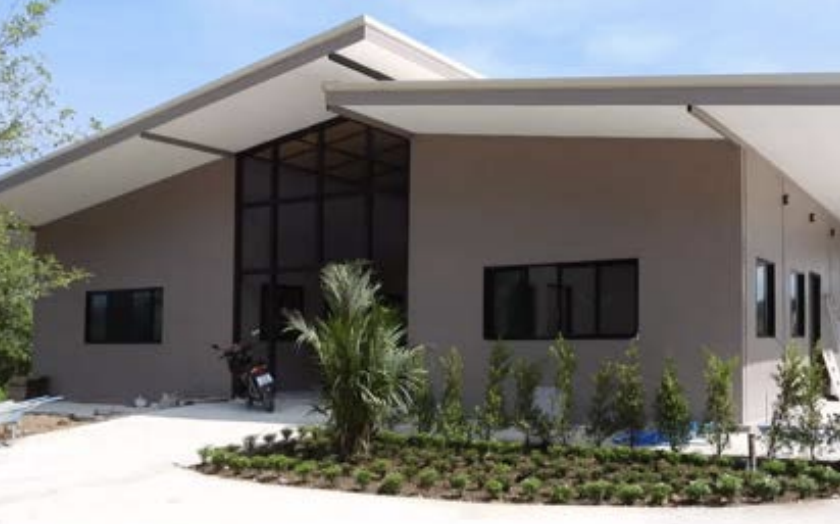
The programme is based at a state-of-the-art wildlife hospital connected to one of the largest wildlife conservation centres in Asia. The facility supports the rescue, rehabilitation, and long-term care of more than 900 animals.
Interns gain clinical insight into triage, trauma protocols, chronic care, wildlife rehabilitation, and species-specific treatment plans. While direct invasive duties such as medication administration or sample collection may be limited, interns develop strong observational, diagnostic, and practical hospital skills.
Key experience areas may include:
• Assisting veterinary rounds and daily patient care
• Observing surgical procedures and sterile surgical practice
• Supporting trauma care and rehabilitation protocols
• Learning about wildlife medicine across many species
• Helping with animal care, cleaning, and hospital support tasks
• Understanding chronic care for rescued animals that cannot return to the wild
• Supporting academic projects, protocol reviews, research, or individual animal assessments
• Working alongside a veterinary team made up of vets, vet nurses, volunteers, and interns
Applicants should be qualified veterinarians, veterinary technicians, or students in at least their third year of veterinary studies. Proof of experience, graduation, or a school support letter may be required.
Required qualifications and attributes include:
• Degree or current studies in veterinary medicine, veterinary nursing, or veterinary technology
• Clinical experience is desirable
• Confidence and patience when handling animals
• Strong organisation and project management skills
• Computer literacy
• Strong observational and communication skills
• Flexibility to work in a different culture
• Ability to manage allergies related to animal hair, fur, feathers, and dust
• Fluency in English; Thai language knowledge is useful but not required
Mandatory vaccination:
• DTP — Diphtheria, Tetanus, and Polio
Other vaccinations to consider include Hepatitis A and B, Rabies, Japanese Encephalitis, Tuberculosis, and Covid-19.
The minimum programme duration is 2 weeks, with longer stays preferred.
Interns and volunteers typically work from 6:30 AM to 5:00 PM, six days per week, with several breaks throughout the day for breakfast, lunch, water, and rest. Volunteers receive one day off per week.
A typical experience may include:
• Morning veterinary rounds
• Daily patient care and hospital support
• Observing surgeries and medical procedures
• Supporting cleaning and care routines
• Learning wildlife medicine and rehabilitation protocols
• Assisting with academic projects or clinic-assigned research
• Reviewing individual animal assessments
• Participating in conservation-focused daily operations
Accommodation is provided in comfortable European-style bungalows. Most rooms are shared by 2–3 people of the same sex, with options available for couples, friends, and families when arranged in advance. Bedding is provided, with fresh linen available weekly.
All meals are provided by staff. Breakfast includes diverse options, while lunch and dinner are mainly Thai cuisine, with Western dishes offered twice weekly. Meat, vegetarian, and vegan options are clearly labelled, and free drinking water is available.
Travel and arrival notes:
Volunteers can enter Thailand with a free Visa on Arrival for stays shorter than 30 days. For longer stays, a 60-day tourist visa should be obtained before travel. Passports must be valid for at least six months from the date of entry.
Taxi pickups from Bangkok, Hua Hin, or Cha-am can be arranged, with more details provided upon booking.
Programme fees:
2 weeks = $2,500
Additional weeks available on request
Included:
• Comfortable accommodation in twin rooms with en-suite or shared bathroom
• All daily meals cooked by staff in the canteen
• Vegetarian and special diets catered for
• Free drinking water
• Free Wi-Fi
• On-site laundry amenities
• Souvenir shop access
• Communal bar access from 5:00 PM to 7:00 PM
• Veterinary learning experience at a major wildlife conservation centre
• Support from the veterinary team and on-site mentors
Not included:
• International flights
• Personal insurance
• Transportation to and from the centre
• Visa costs
• Additional snacks or drinks for breakfast
Additional note:
A possible rotation may be available at the People and Animals Thailand — PAT Clinic. This clinic focuses on high-volume stray dog and cat neutering and vaccination work. It offers more direct clinical experience for veterinary students and professionals, including patient admission, administering sedatives and medications, preparing animals for surgery, assisting with high-volume neutering, monitoring recovery, wound care, and patient discharge.
PAT Clinic places are very limited, with a maximum capacity of four volunteers. A current rabies vaccination is mandatory for this rotation.




Location
Thailand
Start Date
2026
Price
Starting at $2,500